
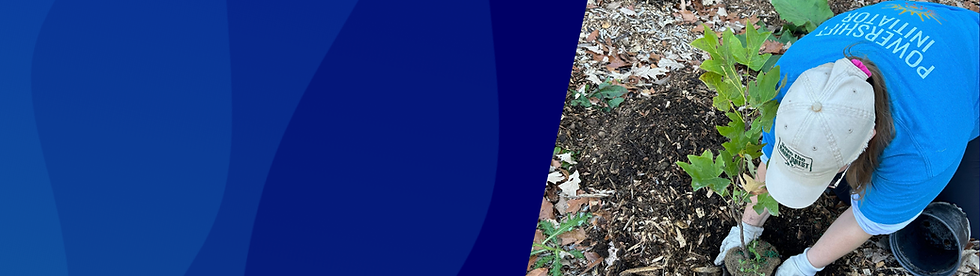
Restoration Hub
Restoring forests. Expanding canopy. Supporting nature’s recovery.
What restoration means here: Restore the conditions for life to thrive.
We work with nature to restore the conditions that allow forests, wildlife and people to thrive together: healthy tree cover, connected habitat, native biodiversity, resilient water systems, and the natural processes that keep ecosystems functioning.
Two Ways We Restore
Our restoration work takes two forms: expanding urban tree canopy close to home and developing larger Habitat Restoration Projects shaped by the needs of a particular place.
Urban Tree Canopy Expansion
Active + Ongoing
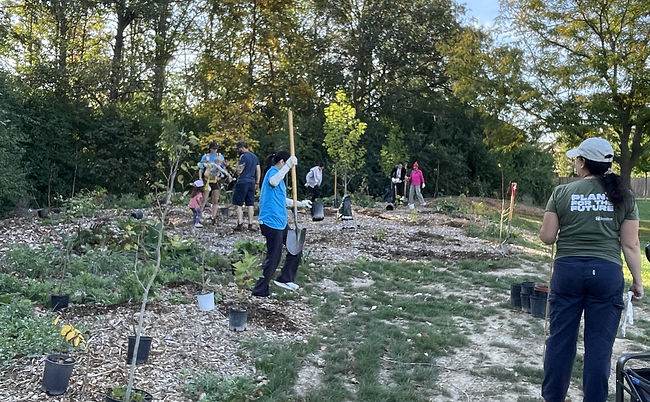
We work with municipalities, land trusts, local landowners, and conservation authorities to expand tree canopy using appropriate native species, suitable planting sites, proper planting practices and ongoing care.
These projects create accessible restoration opportunities for PowerSeekers to strengthen local habitats, expand tree cover where people live, and support healthier, more resilient communities.

Habitat Restoration
Planning + Partnerships Underway
We work with local, regional, and global conservation experts, landholders, and communities to rebuild habitat by restoring damaged areas, expanding existing forests, and creating wildlife corridors.
These projects create opportunities for PowerSeekers to restore damaged and fragmented ecosystems, rebuilding healthy, connected habitat where forests and wildlife can recover and thrive.
How We Restore
Grounded in place. Built for recovery.
Every project starts with understanding the place, the people connected to it, and what the ecosystem needs to recover. From there, we make thoughtful choices, work together, and stay with the work over time.

Engage Local Communities
We work with local communities and specialists to shape projects around local needs and knowledge.

Right Tree, Right Place
We use appropriate native species, suitable sites and planting methods matched to local conditions.

Work With the Ecosystem
We support natural regeneration and ecological relationships that help ecosystems recover.

Measure What Matters
We track survival, canopy growth, and ecological outcomes for 3–5 years, targeting 80% survival.
Nature Knows How to Recover
Restore the Whole System
Humans can repair damage and create the conditions for recovery, but healthy ecosystems depend on the relationships among soil, water, trees, animals, people and the atmosphere.
Trees hold soil and water, animals disperse seeds and move nutrients, forests shape local climate, and people influence how land is used, protected and restored.
Restoration means strengthening these relationships and the natural processes that allow ecosystems to recover and regain balance.


Whole
Systems
Soil, water, plants, wildlife, people and climate are connected.

Rewilding
Restore conditions for natural regeneration and ecological processes to return.
.png)
Ecosystem Engineers
Support species that shape habitat and help ecosystems recover.

Equity
Everyone deserves clean air, clean water, healthy soil and the richness of nature.

Shared
Spaces
Restore places where people and wildlife can thrive together.


